

To boost your health, there are countless tips; so many and often contradictory, that most people can't see the forest for the trees. As a result, many people try things very briefly, and if there isn't immediate measurable results, they give up. That's why it's great if we make a selection for you, so you can get started with effective and easy-to-implement advice.
The 7 Brain Balance pillars
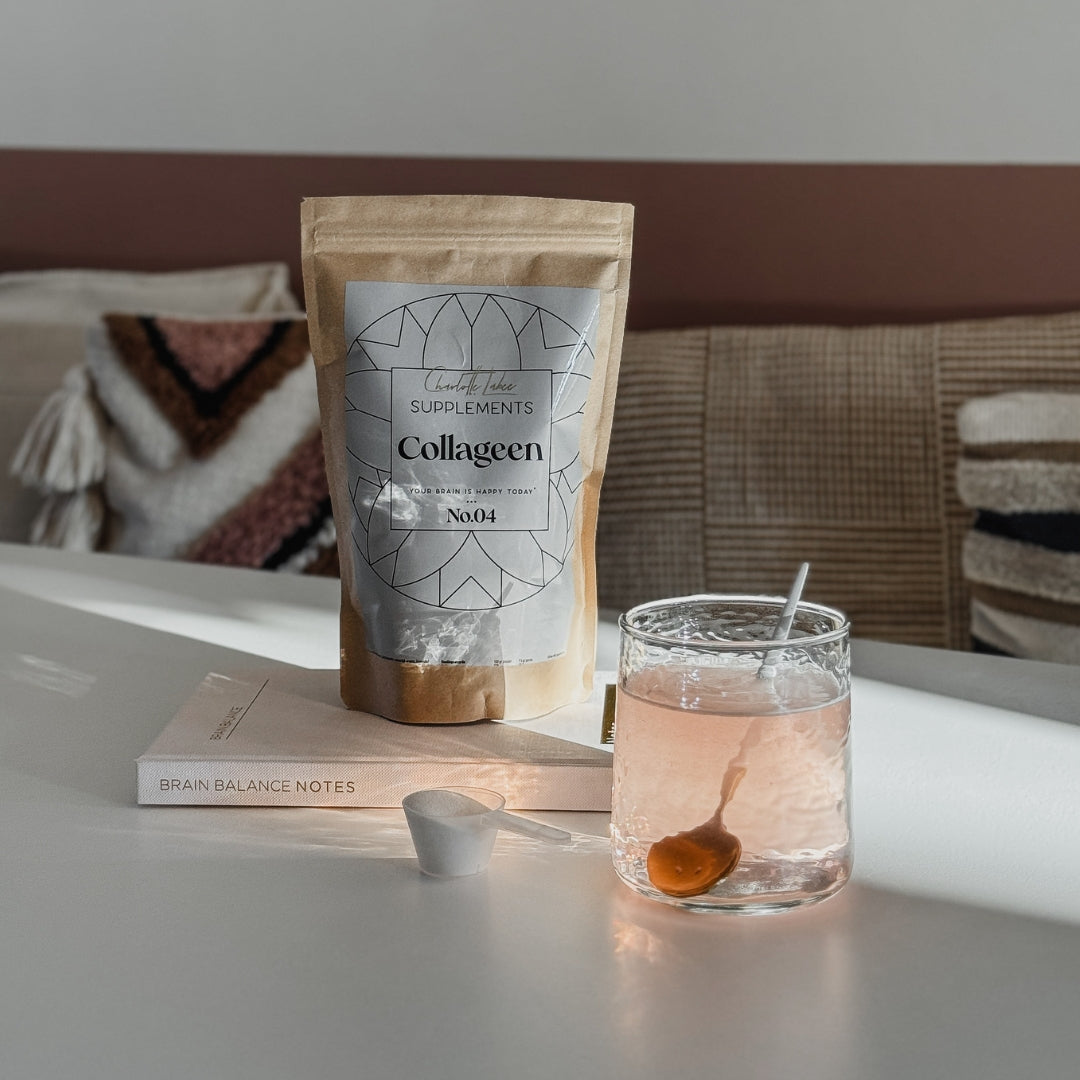
At Charlotte Labee Supplements, we work according to the seven Brain Balance pillars: brain knowledge, sleep, stress (reduction), relaxation, environment, exercise, Brain Food, and supplements. These pillars support and reinforce each other; and if one is out of balance, it has a direct and indirect effect on the others. For example, if you don't sleep well for a long time, you have less energy and feel much less relaxed. Then you are more susceptible to stress. Conversely, stress also has a negative impact on your sleep quality. For example, you lie awake at night or you can't fall asleep easily. Another example: if you eat the right nutrients, this has a good influence on your sports performance or muscle development. If you don't, you can get injured faster or you don't feel like exercising at all. It is always an interaction between the various systems in the body that determines whether you feel fit and healthy or not.
To support you, we have listed the 10 best tips for your health.
Tip 1
In a healthy situation, the brain determines how energy is distributed so that all tissues remain in optimal condition. This includes, among other things, oxygen and nutrient supply, as well as the removal of waste products and maintaining the correct acidity.
The more knowledge you have about what your brain needs, the better this energy distribution works.
Tip 2
Your brain needs a certain amount of time to switch off from an excess of stimuli, and this varies from person to person. The stimuli we are talking about include watching TV, screen time, or intense exercise in the evening. Your brain processes the things you watch as if they are actually happening in your own life. But the blue light emitted by devices also has a negative impact on your melatonin production, your sleep hormone. It is therefore important to take this into account and stop these activities a few hours before going to sleep.
Tip 3
Of course, it's important to prevent stress as much as possible. However, this isn't always feasible. Therefore, it's a good idea to counterbalance it with at least as much relaxation. One of the quickest ways to calm your nervous system is a breathing exercise. Inhale through your nose into your belly for four counts and exhale through your mouth for eight counts. Repeat this several times.
Tip 4
Surround yourself with people who inspire you, give you positive energy, and with whom you can be yourself. In addition, make sure you have enough alone time. This is necessary to recover, regulate your own emotions, and recharge.
Tip 5
Exercise sufficiently every day, and by that we mean at least an hour, preferably outdoors. This can be more intense, but also consider brisk walking or cycling. Muscle movements produce BDNF, which among other things allows you to create new networks in your brain. Myokines are also released when you exercise enough; these are 'muscle hormones' and have a healthy effect on your entire body.
Tip 6
Did you know that the Netherlands is the European champion of sitting time? On average, we sit 10 hours a day.
If you have a sedentary job or sit a lot throughout the day, 'sitting breaks' are a lifesaver. Every half hour, make sure you move vigorously for a minute to get your heart rate up. Think of some squats, running in place, or doing push-ups.
Tip 7
Reduce your eating moments to a maximum of three meals a day. This gives your digestive organs time to recover and keeps your blood sugar levels stable. Snacks, on the other hand, disrupt this, so if you still want that piece of (dark) chocolate, eat it immediately after your meal.
Tip 8
No matter how healthy you eat, the vitamins and minerals in food are unfortunately no longer sufficient compared to the past. Therefore, supplementing them is not a luxury. Seek advice from a professional; you can get free supplement advice from us via this link.
Tip 9
Increase your gratitude by writing down three things you are grateful for every day. Gratitude is an emotion that brings a lot of peace and relaxation. These thoughts stimulate the production of certain brain hormones that, in turn, have a positive impact on all your cells.
Tip 10
Regularly expose yourself to ancient stimuli, such as cold, heat, thirst, and hunger. This helps your body do what it was made for. Think of: cold showers, sauna visits, waiting to drink until you feel mildly thirsty, and occasionally skipping a meal. This trains your resilience both mentally and physically, allowing you to deal with challenges more flexibly.